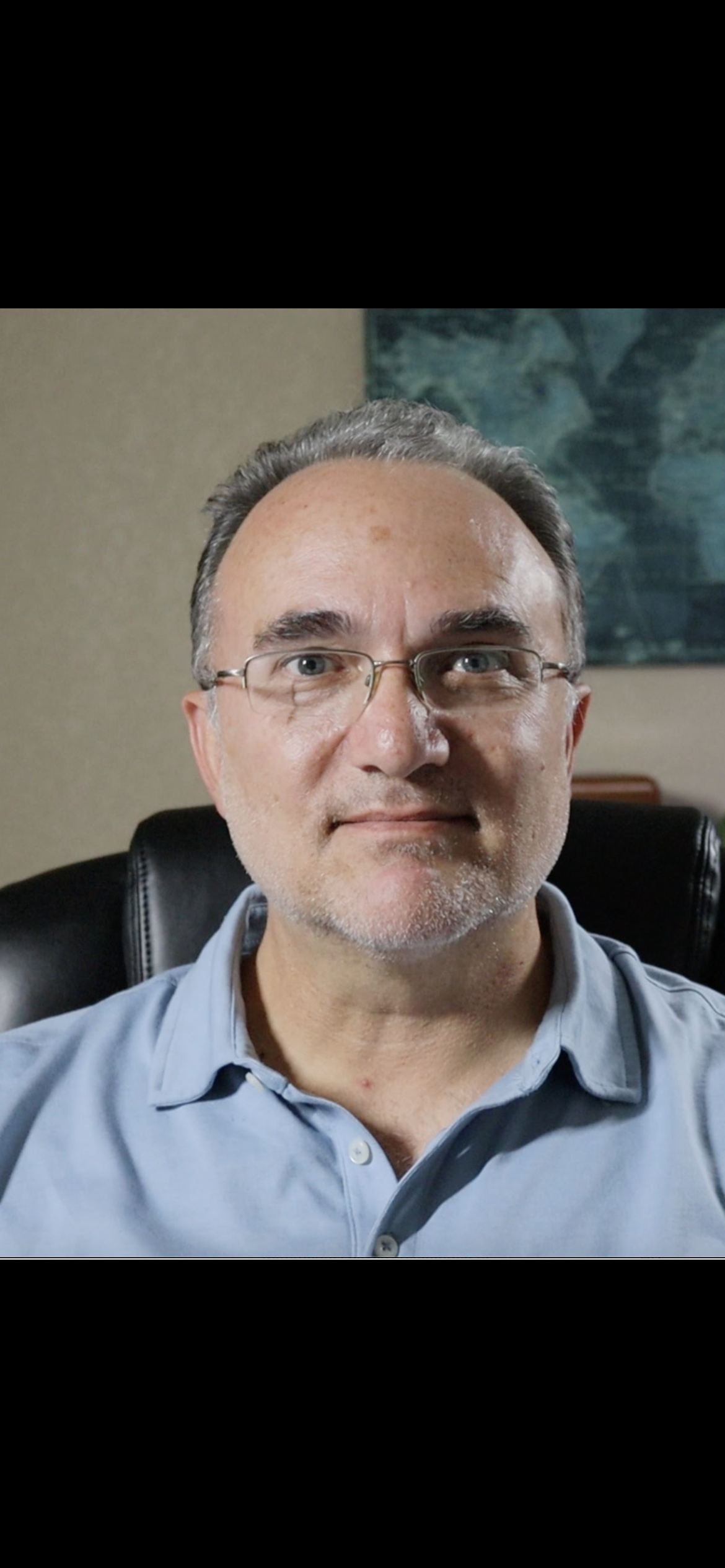
MALVOLIO
[Reading] 'By the Lord, madam, you wrong me, and the
world shall know it: though you have put me into
darkness and given your drunken cousin rule over
me, yet have I the benefit of my senses as well as
your ladyship. I have your own letter that induced
me to the semblance I put on; with the which I doubt
not but to justify myself unto you. Think of me as
you please. I leave my duty a little unthought of
and speak out of my injury.
The madly-used Malvolio.'
[Enter FABIAN, SIR TOBY, and MARIA]
OLIVIA
Did he write this?
MARIA
Ay, madam.
OLIVIA
This is a very midsummer madness.
[Enter Servant]
SERVANT
Madam, the young gentleman of the Count Orsino's
is returned: I could hardly entreat him back: he
attends your ladyship's pleasure.
OLIVIA
I'll come to him.
[Exit Servant]
Good Maria, let this fellow be looked to. Where's
my cousin Toby? Let some of my people have a
special care of him: I would not have him
miscarry for the half of my dowry.
[Exeunt OLIVIA and MARIA]
SIR TOBY
Come, we'll have him in a dark room and bound. My
niece is already in the belief that he's mad: we
may carry it thus, for our pleasure and his
penance, till our very pastime, tired out of
breath, prompt us to have mercy on him: at which
time we will bring the device to the bar and crown
thee for a finder of madmen. But see, but see.
[Enter SIR ANDREW]
FABIAN
More matter for a May morning.
SIR ANDREW
Here's the challenge, read it: warrant there's
vinegar and pepper in't.
FABIAN
Is't so saucy?
SIR ANDREW
Ay, is't, I warrant him: do but read.
SIR TOBY
[Reads] 'Youth, whatsoever thou art, thou art but
a scurvy fellow.'
FABIAN
Good, and valiant.
SIR TOBY
[Reads] 'Wonder not, nor admire not in thy mind,
why I do call thee so, for I will show thee no
reason for't.'
FABIAN
A good note; that keeps you from the blow of the law.
SIR TOBY
[Reads] 'Thou comest to the lady Olivia, and in my
sight she uses thee kindly: but thou liest in thy
throat; that is not the matter I challenge thee for.'
FABIAN
Very brief, and to exceeding good sense--less.
SIR TOBY
[Reads] 'I will waylay thee going home; where if it
be thy chance to kill me,--'
FABIAN
Good.
SIR TOBY
[Reads] '--thou killest me like a rogue and a villain.'
FABIAN
Still you keep o' the windy side of the law: good.
SIR TOBY
[Reads] 'Fare thee well; and God have mercy upon
one of our souls! He may have mercy upon mine; but
my hope is better, and so look to thyself. Thy
friend, as thou usest him, and thy sworn enemy,
Andrew Aguecheek.'
If this letter move him not, his legs cannot:
I'll give't him.
MARIA
You may have very fit occasion for't: he is now
in some commerce with my lady, and will by and by
depart.
SIR TOBY
Go, Sir Andrew: scout me for him at the corner of
the orchard like a bum-baily: so soon as ever
thou seest him, draw; and, as thou drawest, swear
horribly; for it comes to pass oft that a terrible
oath, with a swaggering accent sharply twanged off,
gives manhood more approbation than ever proof
itself would have earned him. Away!
SIR ANDREW
Nay, let me alone for swearing.
[Exit]
SIR TOBY
Now will not I deliver his letter: for the
behaviour of the young gentleman gives him out to
be of good capacity and breeding; his employment
between his lord and my niece confirms no less:
therefore this letter, being so excellently
ignorant, will breed no terror in the youth: he
will find it comes from a clodpole. But, sir, I
will deliver his challenge by word of mouth; set
upon Aguecheek a notable report of valour; and
drive the gentleman, as I know his youth will
aptly receive it, into a most hideous opinion of
his rage, skill, fury and impetuosity. This will
so fright them both that they will kill one another
by the look, like cockatrices.
[Re-enter OLIVIA, with VIOLA]
FABIAN
Here he comes with your niece: give them way till
he take leave, and presently after him.
SIR TOBY
I will meditate the while upon some horrid message
for a challenge.
[Exeunt SIR TOBY, FABIAN, and MARIA]
OLIVIA
I have said too much unto a heart of stone
And laid mine honour too unchary out:
There's something in me that reproves my fault;
But such a headstrong potent fault it is,
That it but mocks reproof.
VIOLA
With the same 'havior that your passion bears
Goes on my master's grief.
OLIVIA
Here, wear this jewel for me, 'tis my picture;
Refuse it not; it hath no tongue to vex you;
And I beseech you come again to-morrow.
What shall you ask of me that I'll deny,
That honour saved may upon asking give?
VIOLA
Nothing but this; your true love for my master.
OLIVIA
How with mine honour may I give him that
Which I have given to you?
VIOLA
I will acquit you.
OLIVIA
Well, come again to-morrow: fare thee well:
A fiend like thee might bear my soul to hell.
[Exit]
[Re-enter SIR TOBY and FABIAN]
SIR TOBY
Gentleman, God save thee.
VIOLA
And you, sir.
SIR TOBY
That defence thou hast, betake thee to't: of what
nature the wrongs are thou hast done him, I know
not; but thy intercepter, full of despite, bloody
as the hunter, attends thee at the orchard-end:
dismount thy tuck, be yare in thy preparation, for
thy assailant is quick, skilful and deadly.
VIOLA
You mistake, sir; I am sure no man hath any quarrel
to me: my remembrance is very free and clear from
any image of offence done to any man.
SIR TOBY
You'll find it otherwise, I assure you: therefore,
if you hold your life at any price, betake you to
your guard; for your opposite hath in him what
youth, strength, skill and wrath can furnish man withal.
VIOLA
I pray you, sir, what is he?
SIR TOBY
He is knight, dubbed with unhatched rapier and on
carpet consideration; but he is a devil in private
brawl: souls and bodies hath he divorced three;
and his incensement at this moment is so
implacable, that satisfaction can be none but by
pangs of death and sepulchre. Hob, nob, is his
word; give't or take't.
VIOLA
I will return again into the house and desire some
conduct of the lady. I am no fighter. I have heard
of some kind of men that put quarrels purposely on
others, to taste their valour: belike this is a man
of that quirk.
SIR TOBY
Sir, no; his indignation derives itself out of a
very competent injury: therefore, get you on and
give him his desire. Back you shall not to the
house, unless you undertake that with me which with
as much safety you might answer him: therefore, on,
or strip your sword stark naked; for meddle you
must, that's certain, or forswear to wear iron
about you.
VIOLA
This is as uncivil as strange. I beseech you, do me
this courteous office, as to know of the knight what
my offence to him is: it is something of my
negligence, nothing of my purpose.
SIR TOBY
I will do so. Signior Fabian, stay you by this
gentleman till my return.
[Exit]
VIOLA
Pray you, sir, do you know of this matter?
FABIAN
I know the knight is incensed against you, even to a
mortal arbitrement; but nothing of the circumstance more.
VIOLA
I beseech you, what manner of man is he?
FABIAN
Nothing of that wonderful promise, to read him by
his form, as you are like to find him in the proof
of his valour. He is, indeed, sir, the most skilful,
bloody and fatal opposite that you could possibly
have found in any part of Illyria. Will you walk
towards him? I will make your peace with him if I can.
VIOLA
I shall be much bound to you for't: I am one that
had rather go with sir priest than sir knight: I
care not who knows so much of my mettle.
[Exeunt]
Loading Simple translation…