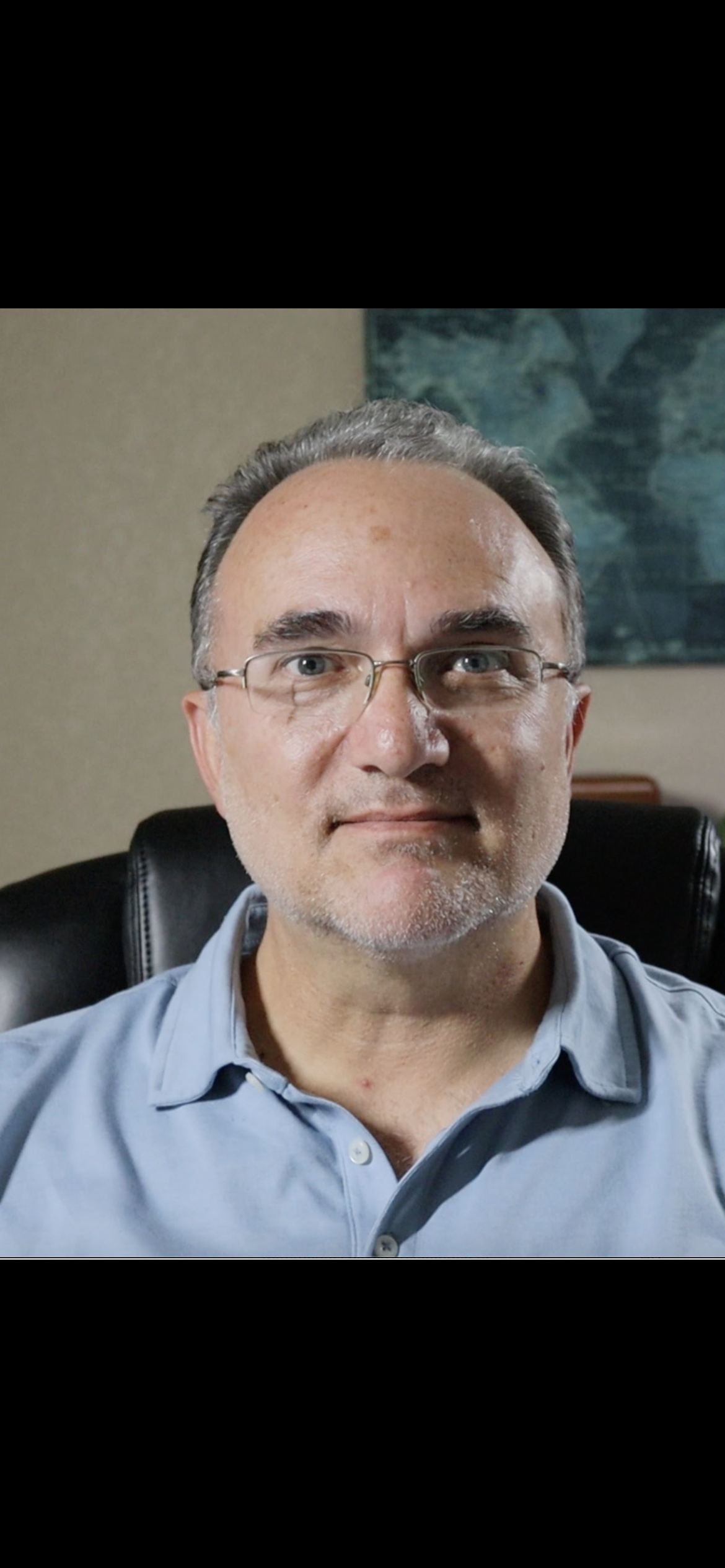
This chapter-by-chapter literary guide is written as if I’m having a conversation with students about the novel. I began teaching this book just as the pandemic hit and so I started a series of typed notes in lieu of classroom discussions.
The primary aim is to draw attention to the many subjects, themes, and literary devices used throughout the text. I also explain the many allusions made to historical circumstances, pop culture, the Bible, and other intertextual references. Most of the references I point out are accepted ones within literature, history, and the arts. Admittedly, I may overreach in guessing what Atwood was pointing to culturally—but the notes will hopefully make interesting points for class discussion. If nothing else, the tangents will provide nice moments of nostalgia for fellow teachers and readers of my generation and the one preceding (Gen X and the Baby Boomer generations, respectively).
The secondary purpose is to relate the events of the narrative in a simpler, chapter-by-chapter manner since students often find the frequent flashbacks in the storyline difficult to follow.
Lastly, by way of disclaimer, I need to point out that while many of the images are generated by ChatGPT (and on the Works Cited page), all text is mine. Any texts consulted are also in the Works Cited.
Terminology for this literary guide
Subjects vs. Themes
For this literary guide, I’m relying on the terminology of a common practice in high school Advanced Placement where literary “subjects” have a meaning that is related to, but distinctly separate from, “themes.” This has proven to be (oddly and ridiculously) a topic of heated debate within English departments. It’s all just a matter of terminology and, once we recognize we’re talking about the same things with different names, we can move on to speaking meaningfully about the contents of any literary work.
Subjects will refer to the everyday things we deal with in life. They are essentially abstract nouns. Some common subjects in literature (and life) are as follows: life, death, sickness, health, power, freedom, liberty, youth, old age, beauty, family, love, loss, regret, hope, infidelity, revenge, redemption, displacement, dehumanization, and the list goes on.
Where we wade into troubled water is with phrases that hint at themes. These, too, are best termed as subjects (but are very often called themes, especially on popular literary websites). Common subjects represented by phrases can be the following: coming of age, loss of love, inevitability of death, circle of life, the American dream, beauty always fades.
Themes will refer to full sentences which say something about life as put forward in the literary work. The theme will take one or more subjects and say something about them. The phrase “Sometimes in life…” in the beginning of this generality helps focus the sentence (but then can be removed).
Some examples of theme:
- Sometimes in life, redemption can be found in old age after the regret of bad choices made in youth. Beauty fades but love remains.
- Individuals must find inherent meaning in life when controlled by the dehumanizing mechanism of the state.
If your teacher, or you as a teacher, disagree with the above terminology—no problem. Just make it clear in your paper or in your classroom how you’re defining subjects, themes, and so forth, so there are no misunderstandings.
Throughout this guide, I bring up many subjects but will leave most of the themes up to the student. Worry not, there are many themes to be gleaned from the text.